
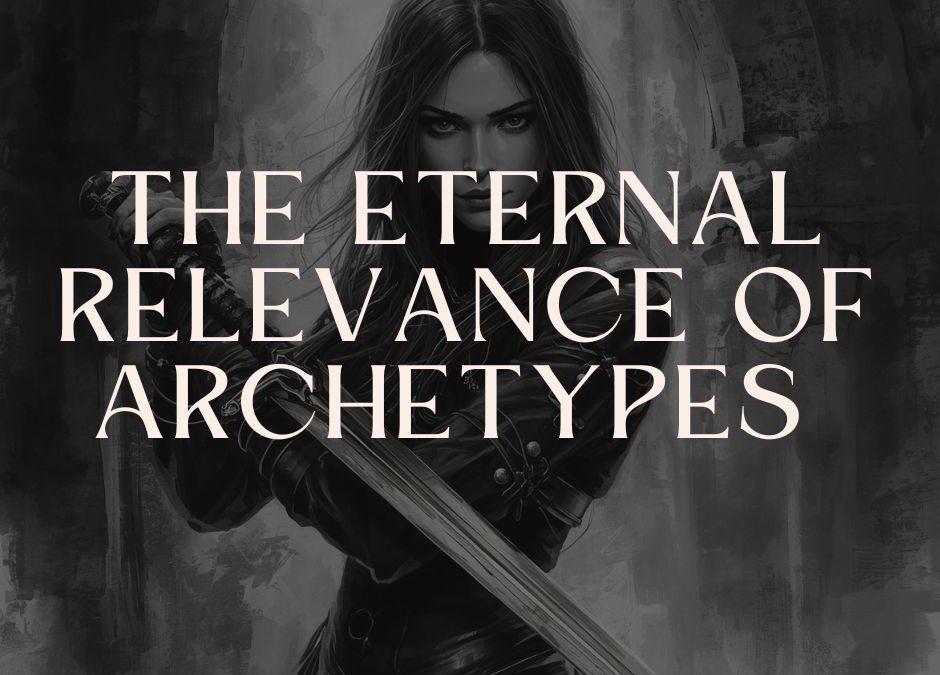
For thousands of years, humans have turned to myths and archetypal stories to make sense of the world. From ancient creation myths to contemporary superhero films, these timeless patterns – heroes, mentors, tricksters, and villains – resonate because they speak to fundamental human experiences.
“Archetypes are the language of the soul.” – Carl Jung
Archetypes provide frameworks for understanding challenge, loss, and transformation. They help us navigate uncertainty and connect with something larger than ourselves, offering guidance that is both personal and collective.
Myth in Modern Life
The popularity of myth today isn’t just nostalgia, it reflects a deep human need for meaning, guidance, and connection. Archetypal stories are everywhere, and modern media often draws on these ancient patterns to create characters and plots that feel deeply familiar and emotionally satisfying.
- Blockbuster films: like Star Wars, Black Panther, Moana
- In Star Wars, Luke Skywalker embodies the classic Hero archetype, called to adventure, guided by mentors like Obi-Wan, and ultimately transforming through trials. Darth Vader represents the Shadow, showing the potential for corruption and redemption.
- In Black Panther, T’Challa’s journey mirrors the Hero’s Journey outlined by Joseph Campbell, while characters like Shuri and Nakia reflect other archetypal roles such as the Sage, the Warrior, and the Ally.
- Moana embodies the Explorer archetype, venturing beyond the familiar to restore balance and discover her true identity.
- Video games: like The Legend of Zelda, Skyrim, Horizon: Forbidden West
- Players inhabit the Hero’s role directly, undertaking quests that mirror mythic journeys: battling monsters, seeking wisdom, and restoring order to the world. These interactive narratives make the archetypal Hero’s Journey experiential.
- Interactive storytelling: Dungeons & Dragons, immersive theatre experiences
- Participants co-create narratives, stepping into archetypal roles and collaborating in problem-solving, moral choices, and storytelling. This reinforces communal engagement with archetypal patterns and allows for reflection and self-discovery.
“Myth is the secret opening through which the inexhaustible energies of the cosmos pour into human understanding.” – Joseph Campbell
Even in modern media, audiences are drawn to familiar patterns that reflect inner psychological truths. We recognise ourselves in these archetypes, feel the drama of their struggles, and experience the catharsis of their transformations.
Archetypes as Tools for Healing
Engaging with archetypes isn’t just about storytelling: it’s a powerful tool for personal and collective healing. Research in narrative psychology shows that archetypal frameworks can facilitate meaning-making, emotional processing, and social connection. Immersive storytelling and arts-based therapy can even stimulate neural pathways involved in emotion regulation and empathy, and when using archetypes – which speak directly to the subconscious – this techniques become even more powerful.
And this mode of healing through story goes right back to the roots of human society: as my book Historically Responsive Storytelling explores, the language of symbol, archetype and associative-linking (making layers of meaning within recognisable and accessible structures) was how people reckoned with crisis in early society, and using archetypal artistic expression (visual arts, performance arts, and so on) was a way to bond communities, heal together, and release stress and tension.
Shadow and Light
“Archetypes allow us to confront the shadow and step into our power.”
One reason archetypes are so potent is their ability to help us explore both shadow and light aspects of ourselves. Carl Jung emphasised that integrating the shadow (the hidden or suppressed parts of our psyche) is essential for psychological wholeness. The more we push parts of ourselves down and suppress them, the more fragmented we become. Whereas if we acknowledge, accept, and embrace all parts of ourselves – even (or especially!) the parts that we see as shameful, ugly, or unworthy – we begin to show ourselves true compassion and acceptance, and become whole – a process Jung calls Individuation.
Caroline Myss, a leading teacher on archetypal psychology and energy medicine, builds on this idea, showing how archetypes shape our beliefs, behaviours, and even physical health. By understanding which archetypal energies dominate or are suppressed in our lives, we can consciously activate empowerment and transformation.
Modern storytelling mirrors this process: characters confront their shadow selves, endure trials, and emerge transformed. These narratives provide frameworks for navigating uncertainty, processing trauma, and imagining change in our own lives.
Why Myth Matters Today
Archetypes endure because they address fundamental human needs:
- Connection – We see ourselves in stories and feel part of something bigger
- Guidance – Myths provide symbolic maps for personal and collective growth
- Healing – Shadow and light archetypes offer pathways for transformation
- Creativity – Archetypes inspire art, writing, and performance that resonates
Whether through films, immersive media, video games, workshops, or tools like our Feminine Archetypes Deck, myth is alive, practical, and urgently needed. It helps us navigate challenges, reclaim power, and participate in collective healing.
“Myth and archetypes are not relics of the past: they are essential tools for thriving in the present.”
How to Engage with Archetypes in Your Own Life
Archetypes aren’t just for writing stories or designing games, they’re tools you can use for self-reflection, creativity, healing, and personal growth. Here are some practical ways to work with them (and take a look at our free worksheet too!):
1. Identify Your Dominant Archetypes
Take a moment to reflect on your life and the positive patterns you see in yourself. Which archetypal energies show up most often? Are you embodying the Explorer, the Warrior, the Heroine, the Queen, the Nurturer, or the Sage? Which archetypes feel underdeveloped or suppressed?
Tip: Use the Feminine Archetypes Deck to draw a card each day or week. Reflect on what that archetype represents, how it shows up in your life, and what lessons it might have for you.
2. Explore Shadow and Light
Archetypes have both shadow and light aspects. The shadow represents qualities we may reject, hide, or feel ashamed of, while the light reflects our potential, power, and creativity.
- Pick a shadow archetype that resonates: perhaps the Damsel in Distress, the Ice Queen, the Wounded Healer, the Quiet Girl, the Witch, the Good Girl, or the Madwoman. Journal about where this energy appears in your life, what it teaches you, and how you might integrate it.
3. Storytelling as Reflection
Write a short story or scene where you embody your chosen archetype. It could be a day in your life, a fantasy scenario, or a metaphorical journey. This helps you explore challenges, strengths, and transformation in a safe and creative way.
4. Ritual and Embodiment
Engage your body as well as your mind. Move, gesture, or role-play your archetype: walk as the Sovereigness, speak as the Shamaness, or embody the Explorer stepping into the unknown. These small rituals anchor the archetype in your lived experience.
5. Collective Exploration
Archetypes are inherently social: they connect us to universal patterns and shared experiences. Try sharing your archetype work with a friend, creative group, or online community. Discussing your insights and reflections can deepen your understanding and foster collective meaning-making.
Reflection Prompt: Which archetype do you feel drawn to today? Which one challenges you? What might each teach you about yourself and your place in the world?
These exercises show how archetypal work can begin to move from theory to practice: helping you process emotions, explore creativity, and cultivate personal and collective empowerment. The possibilities are endless, and archetypal work can become an ongoing journey that brings empowerment, integration and individuation, and a deep knowing of the Self. By engaging with archetypes, we can reclaim agency, illuminate hidden aspects of ourselves, and step fully into the stories we are meant to live.